ADHD Medication Shortage 2026: Switching Stimulants Safely
The US ADHD stimulant shortage that began in 2022 is better than it was, but it is not over. As of this writing, the FDA Drug Shortage Database and ASHP’s shortage list still show several amphetamine-salt and methylphenidate products, plus generic lisdexamfetamine, in active shortage, even after the DEA raised 2026 production quotas for amphetamine and lisdexamfetamine [1][2]. This post covers where the shortage stands now, what’s actually changed, and a safe, principle-based approach to switching a patient’s medication when their usual product isn’t available — without pretending the problem is solved or handing out a mg-for-mg conversion chart that belongs in a pharmacist’s hands, not a blog post.
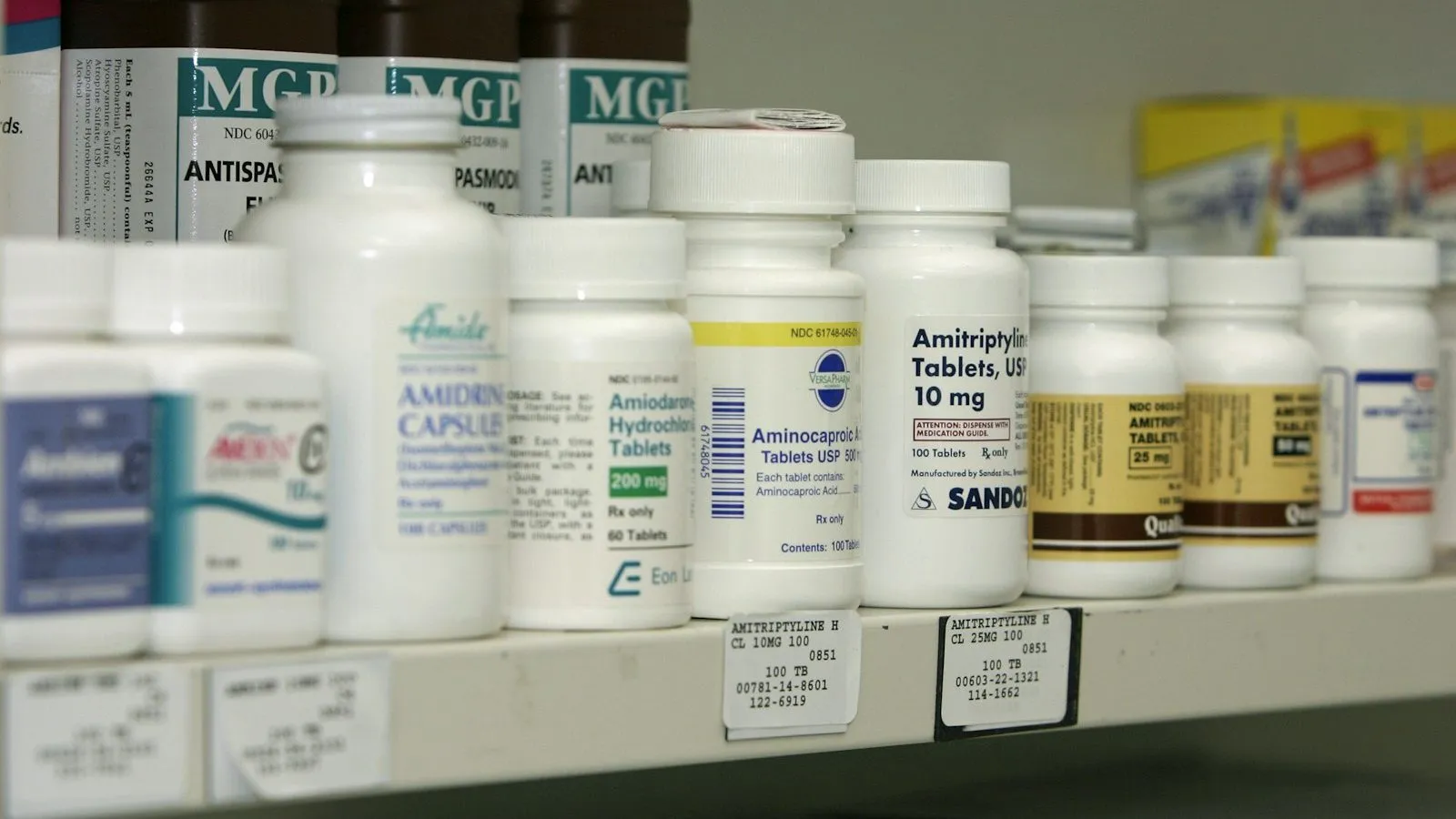 Photo by David Trinks on Unsplash
What is the current status of the ADHD medication shortage?
Improved, uneven, and unresolved. A few concrete data points as of this writing:
- Generic immediate-release amphetamine salts remain the hardest to find, with some manufacturers reporting extended-release capsule strengths on back order into fall 2026 [3].
- The FDA Drug Shortage Database continues to list amphetamine mixed salts, lisdexamfetamine capsules and chewable tablets, and several methylphenidate extended-release formulations as currently in shortage [4].
- The DEA’s January 2026 aggregate production quota order raised the amphetamine quota to 24,234,443 grams (14% above the initially proposed level) and raised the lisdexamfetamine quota to 51,290,743 grams, while holding methylphenidate at 2025 levels, citing shortage concerns and a 6.74% year-over-year increase in medical use of these Schedule II stimulants [5][6].
- Brand-name products have sometimes come back into stock faster than their generic equivalents, which means a patient’s experience of “the shortage” can depend heavily on whether their plan covers brand or requires generic first.
Equilibrium — supply reliably meeting demand across formulations and manufacturers — is not projected until late 2026 at the earliest, and some analyses put it into 2027 [3]. Don’t tell patients the shortage is over; tell them it’s improving unevenly and that you have a plan if their specific product is unavailable this month.
Why is the shortage still happening?
The causes identified by FDA and DEA are a mix of demand and supply factors: sustained increases in prescribing (partly attributed to expanded telehealth access and adult diagnosis rates), manufacturing and quality issues at specific facilities, active-ingredient supply constraints, and individual manufacturers’ business decisions to reduce or discontinue certain products [1][4]. DEA sets an aggregate production quota for Schedule II stimulants each year, and quota levels that lag behind actual prescribing growth can constrain supply even when manufacturers want to produce more [5][6]. The 2026 quota increases for amphetamine and lisdexamfetamine were a direct response to reported shortages, but a quota increase doesn’t instantly translate into stocked pharmacy shelves — manufacturing, distribution, and inventory rebuilding take time.
How should you approach switching a patient’s medication?
Clinical guidance converges on a consistent hierarchy, prioritized from least to most disruptive for the patient [7][8]:
- Change the formulation before the stimulant class. If a specific extended-release product isn’t available, first check whether a different formulation of the same active ingredient — a different manufacturer’s generic, a different release mechanism, or a different but equivalent strength combination — is available before switching to a different stimulant entirely.
- Stay within the same class if a formulation change isn’t enough. Moving between methylphenidate products, or between amphetamine products, generally involves fewer unknowns than crossing from methylphenidate to amphetamine or the reverse.
- Cross classes only when necessary, and treat it as a new trial, not a simple substitution. A peer-reviewed framework for stimulant substitution during shortages emphasizes that cross-class conversions should account for pharmacological differences between methylphenidate and amphetamine, isomer composition, and duration of action, and notes that published dose-equivalence data for these conversions is limited [7][9]. That level of clinical dosing decision belongs with the prescriber and pharmacist reviewing the specific patient and products in front of them — this article isn’t the place for a conversion table, and neither is any other single source you read.
- Consider a non-stimulant — atomoxetine, viloxazine, or an alpha-2 agonist such as guanfacine or clonidine — particularly for patients with significant stimulant side effects, cardiovascular concerns, or when stimulant supply is severely constrained in your area [7][8]. Onset is slower and effect size is typically smaller than a stimulant, so set expectations accordingly. A newer option, centanafadine (Simtriyo), was FDA-approved in July 2026 but is not yet prescribable pending DEA scheduling; see centanafadine: what prescribers should know for where it may eventually fit.
Whichever path you take, document the reason for the switch (specific product unavailable, confirmed with the pharmacy) separately from a clinically motivated medication change, since the two have different implications for prior authorization and for the patient’s history.
What should you monitor after a switch?
A medication switch driven by supply, not by treatment failure, still needs the same follow-up rigor as any other change:
- Recheck symptom control and side effects within a clinically appropriate interval, not just at the next routine visit.
- Watch for a different side-effect profile. Even within the same class, different salts and formulations can behave differently for an individual patient.
- Use an objective measure alongside the rating scale when practical, since a forced switch is exactly the kind of change where patient and family expectations (relief that a substitute was found, or anxiety about “starting over”) can color a subjective report in either direction. Our guide to using objective data in ADHD medication titration covers why a second, harder-to-game data source is useful precisely when subjective reporting is most likely to be biased.
- Time any retest deliberately relative to the new product’s dosing schedule, since a different formulation may have a different duration of action than the one the patient is used to. See when to retest: timing a CPT around stimulant dosing for how to think through that timing.
Try it with your next patient. AxonCPT gives you 2 free tests every month — no card required. Send a link, your patient finishes in ~16 minutes from home, and you get a norm-referenced report instantly. Create your free account →
How should you talk to patients about the shortage?
Set expectations early rather than reactively, especially for new patients starting treatment during an active shortage period:
- Explain that formulation or brand availability can change month to month, and that a pharmacy substitution doesn’t necessarily mean a worse medication — sometimes it’s a different manufacturer’s version of the same product.
- Tell patients and families what to do if a prescription can’t be filled: call the practice rather than going without, so a bridging plan (formulation change, brief non-stimulant coverage, or an early refill request) can be arranged before symptoms lapse for days.
- Recommend non-pharmacological supports — structured routines, reminder systems, and consistent sleep and exercise — as a buffer during any gap in medication access, not as a replacement for treatment [8].
- Flag insurance friction in advance. A forced substitution sometimes triggers a new prior authorization or quantity-limit review even when the patient hasn’t changed anything about their diagnosis or treatment plan [8]. Our ADHD medication prior authorization checklist covers how to document a supply-driven switch for a PA request.
How this looks in practice
A PMHNP managing a patient whose usual lisdexamfetamine dose can’t be filled might work through it like this:
- Confirm with the pharmacy which strengths or manufacturers are actually unavailable, rather than assuming an entire drug class is out.
- Try a formulation change first — a different generic manufacturer, or an equivalent combination of available strengths, before considering a class switch.
- If a class switch is genuinely necessary, treat it as a new medication trial: start conservatively, document the reason, and set a follow-up specifically to assess the new product.
- Retest with an objective measure at a clinically meaningful interval, timed to the new product’s dosing schedule. With objective ADHD testing with AxonCPT, the patient completes the test remotely in about 16 minutes, and you get a norm-referenced report to compare against their prior baseline. See what the report looks like.
- Document the shortage-driven rationale in the chart and any PA request, separate from the clinical reasoning for the original medication choice.
Frequently asked questions
Is the ADHD medication shortage over in 2026? No. It has improved since its peak, with higher DEA production quotas for amphetamine and lisdexamfetamine in 2026, but the FDA and ASHP shortage lists continue to show several stimulant products, especially generic immediate-release amphetamine salts, in active shortage as of this writing [1][2][4].
Is it safe to switch between methylphenidate and amphetamine products? It can be, but published dose-equivalence data for cross-class conversions is limited, and the decision should account for the specific patient’s history, comorbidities, and cardiovascular risk [7][9]. This is a prescriber-and-pharmacist decision made for an individual patient, not something to standardize from a general guide.
Should I switch a stable patient just because their exact product is briefly unavailable? Try formulation-level substitutions (different manufacturer, equivalent strength combination) before a class switch. Many temporary unavailability issues can be solved without disrupting a patient who is doing well on their current regimen [7][8].
What if a patient can’t get any stimulant at all? Discuss a temporary or longer-term non-stimulant option — atomoxetine, viloxazine, or an alpha-2 agonist — while being clear about the slower onset and typically smaller effect size compared with a stimulant [7][8]. Document the supply constraint as the reason for the interim change.
Does AxonCPT help with medication supply issues? No — AxonCPT doesn’t affect medication availability. It gives you an objective way to confirm whether a substitute medication is controlling symptoms as well as the original, which is useful precisely when a switch was forced by supply rather than chosen for clinical reasons.
Start testing your patients with AxonCPT
A forced medication switch shouldn’t mean flying blind on whether it’s working. AxonCPT gives you a standardized, norm-referenced attention measure to compare before and after any change, with 2 free tests every month and no card required. Create your free AxonCPT account or learn more at axoncpt.com.
References
- AJMC. US ADHD Stimulant Shortage Highlights Growing Challenges in Adult Treatment. Accessed September 28, 2026.
- American Society of Health-System Pharmacists. Drug Shortage Detail: Amphetamine Extended-Release Oral Presentations. Accessed September 28, 2026.
- Pharmacy Times. ADHD Medication Shortage and the National Fallout: What to Do Now. Accessed September 28, 2026.
- U.S. Food and Drug Administration. FDA Drug Shortages Database. Accessed September 28, 2026.
- Drug Enforcement Administration. DEA Releases 2026 Aggregate Production Quotas. January 9, 2026.
- Drug Enforcement Administration. Established Aggregate Production Quotas for Schedule I and II Controlled Substances for 2026. Federal Register, January 5, 2026.
- Hwang G, Yi H, Pinkhasov A. Strategies for Substituting ADHD Medications During Stimulant Shortages. Journal of Pharmacy Practice. 2026. DOI: 10.1177/08971900261450836.
- Vanderbilt Health Affiliated Network. Strategies for Navigating Stimulant Drug Shortages. Accessed September 28, 2026.
- CIDRAP. Report links ADHD drug shortage in US to global supply chain disruptions. Accessed September 28, 2026.